The home that handles itself
Modern life leaks attention. Notifications, devices, settings, schedules, reminders, accounts, apps — a meaningful portion of every day disappears into managing the systems that were supposed to be saving time. The home, which should be the place that gives time back, has quietly become one of the busiest things to operate.
CASABOT was built to reverse that. The premise is simple: a home should not require its residents to be system administrators. CASABOT removes the operational load by handling, in the background, the dozens of small decisions that fill a day — and it does so without asking the resident to learn anything, install anything, or open another app.
In practice, that looks like a home that warms the right rooms at the right time without a schedule being programmed, dims and softens the lights as the evening progresses, notices that a window has been left open while the air conditioning is running and quietly resolves it, flags a leaking appliance before it becomes a flood, and keeps an eye on energy use so the monthly bill stops being a surprise. None of this requires the resident's attention. The system observes, learns, and acts.
What makes this restful — rather than unnerving — is that CASABOT is designed to assist, never to trap. The AI learns gradually and validates patterns before acting on them. Every behavior can be approved, rejected, paused, or reverted. Voice, the mobile app, and the physical switches on the wall all override the system instantly. Automation that cannot be undone is not automation, it is a cage.
CASABOT is built the other way.
The privacy posture matters here too. Because all learning and inference happen on-device inside the home, residents are not trading peace of mind for surveillance. Voice interactions are processed locally and discarded at the end of the session. Behavioral data does not leave the property by default. The home knows the family — but no one else does.
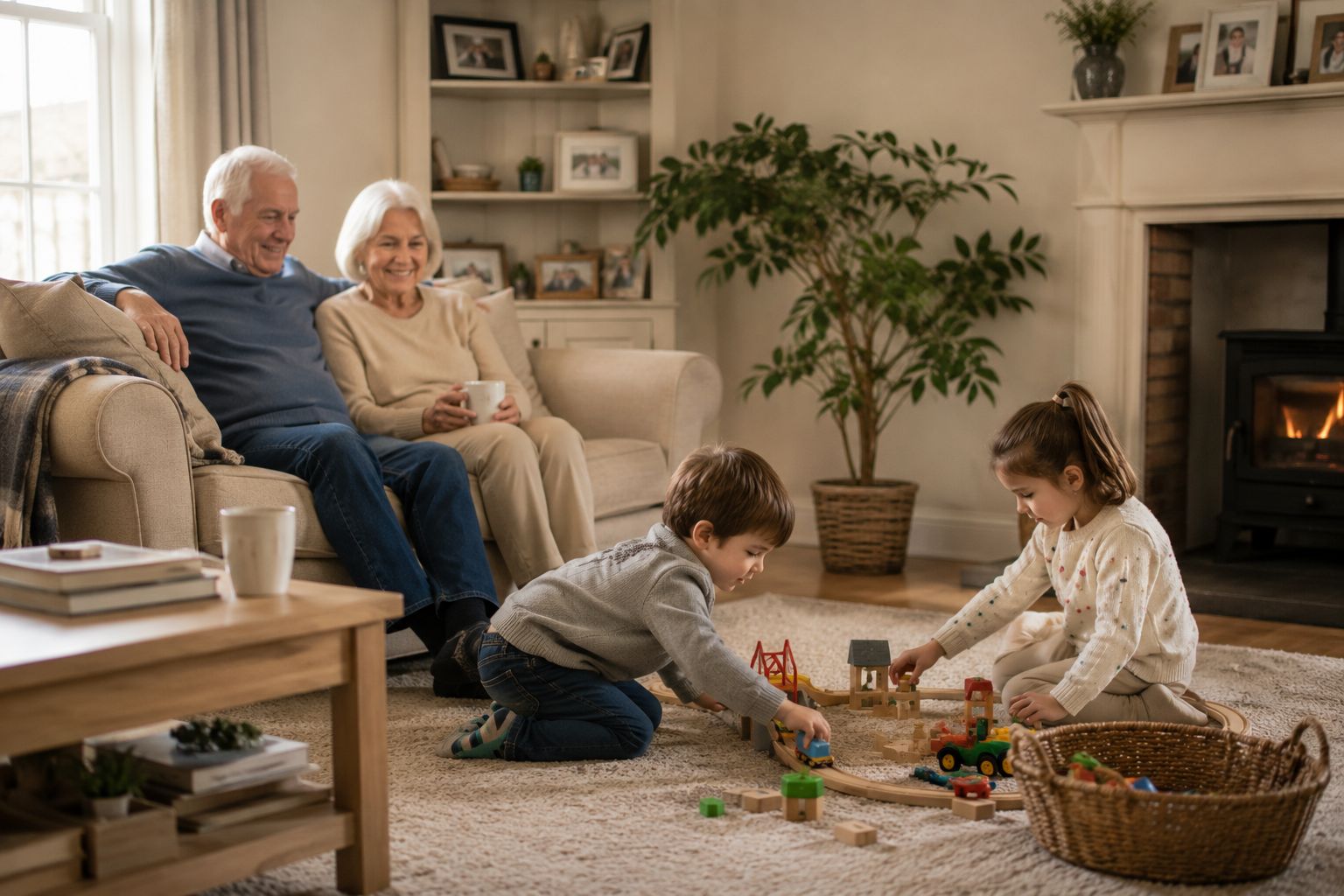
For elderly residents and families with children, the effect is even more direct. Quiet monitoring flags falls, unusual inactivity, doors left open, or appliances left on. Caregivers and family members get reassurance without the resident being filmed, tracked, or pulled out of their routine. The home becomes a discreet ally rather than a watchful eye.
The point of an AI Home is not to add more technology to a person's life. It is to subtract effort. CASABOT measures itself against a single test: at the end of the day, did the resident think about the house less than yesterday? When the answer is yes, the home is doing its job — and the people inside it are free to do theirs, or simply to rest.



.png)